Septal Perforation Repair
For patients with persistent symptoms, progression, or prior unsuccessful treatment.
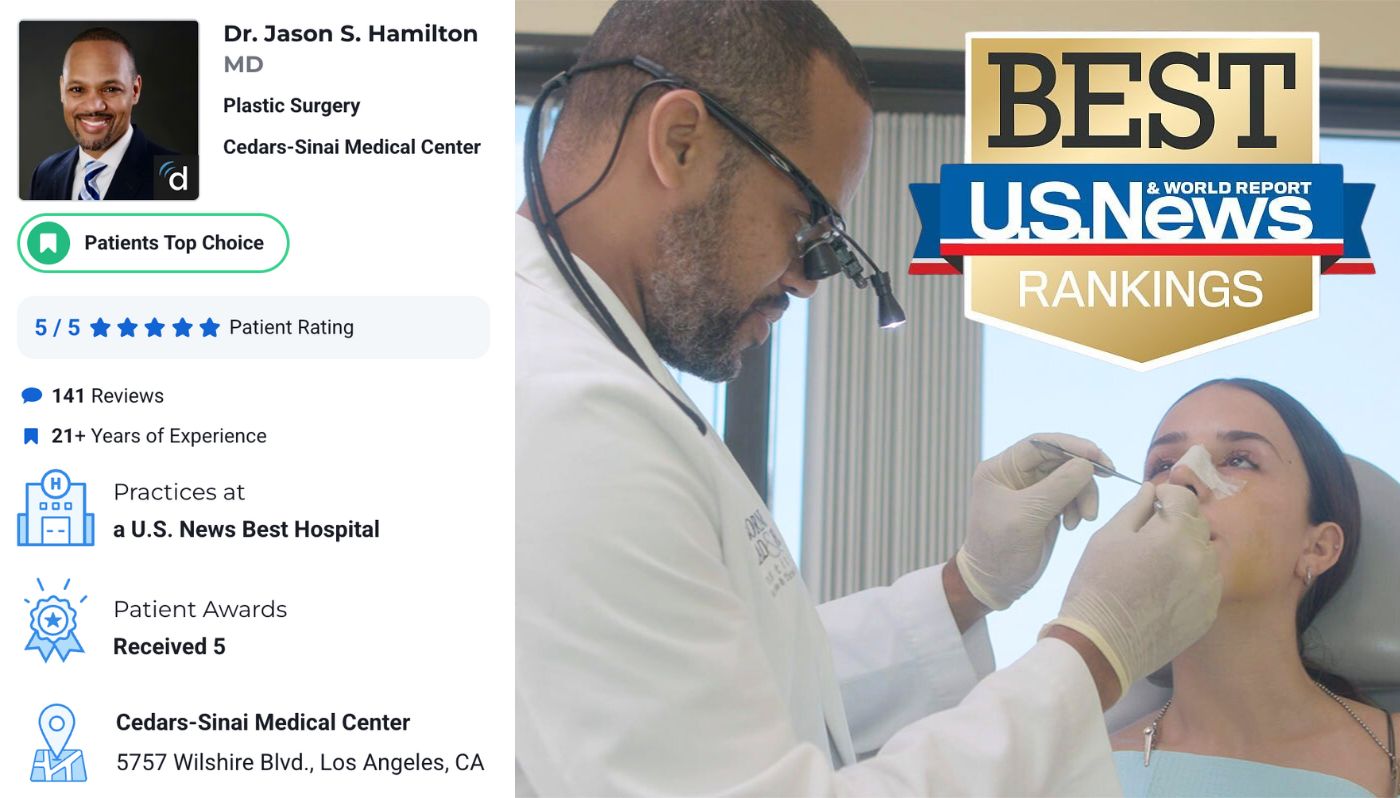
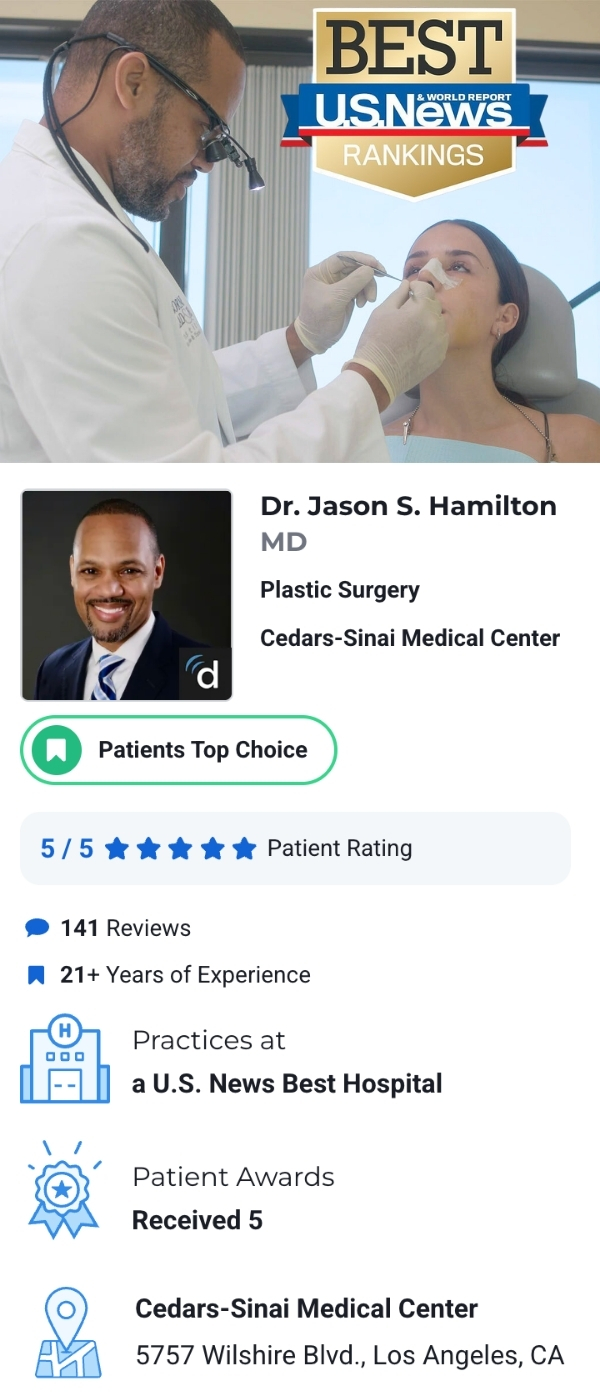
Dr. Jason Hamilton focuses on complex septal perforation repair using endoscopic, multilayer techniques designed for durable closure in appropriate cases.
✔ Evaluation before surgery
✔ Virtual consultations available
✔ Cash and insurance pathways reviewed after assessment
99% closure for perforations 1.4 cm or smaller
97% closure for perforations 1.5 CM – 4 CM
Outcomes vary based on anatomy, tissue quality, and adherence to postoperative care.
Request a Specialist Review
Many patients we see have been told their perforation is “too large,” “too complex,” or not repairable. This form allows our team to review your history, prior treatments, and goals to determine whether a consultation with Dr. Hamilton is appropriate.
Your information will be reviewed by our clinical team. If appropriate, we’ll contact you to schedule a consultation (virtual or in-person). If surgery is not recommended, we’ll explain why.
WHO THIS EVALUATION IS FOR
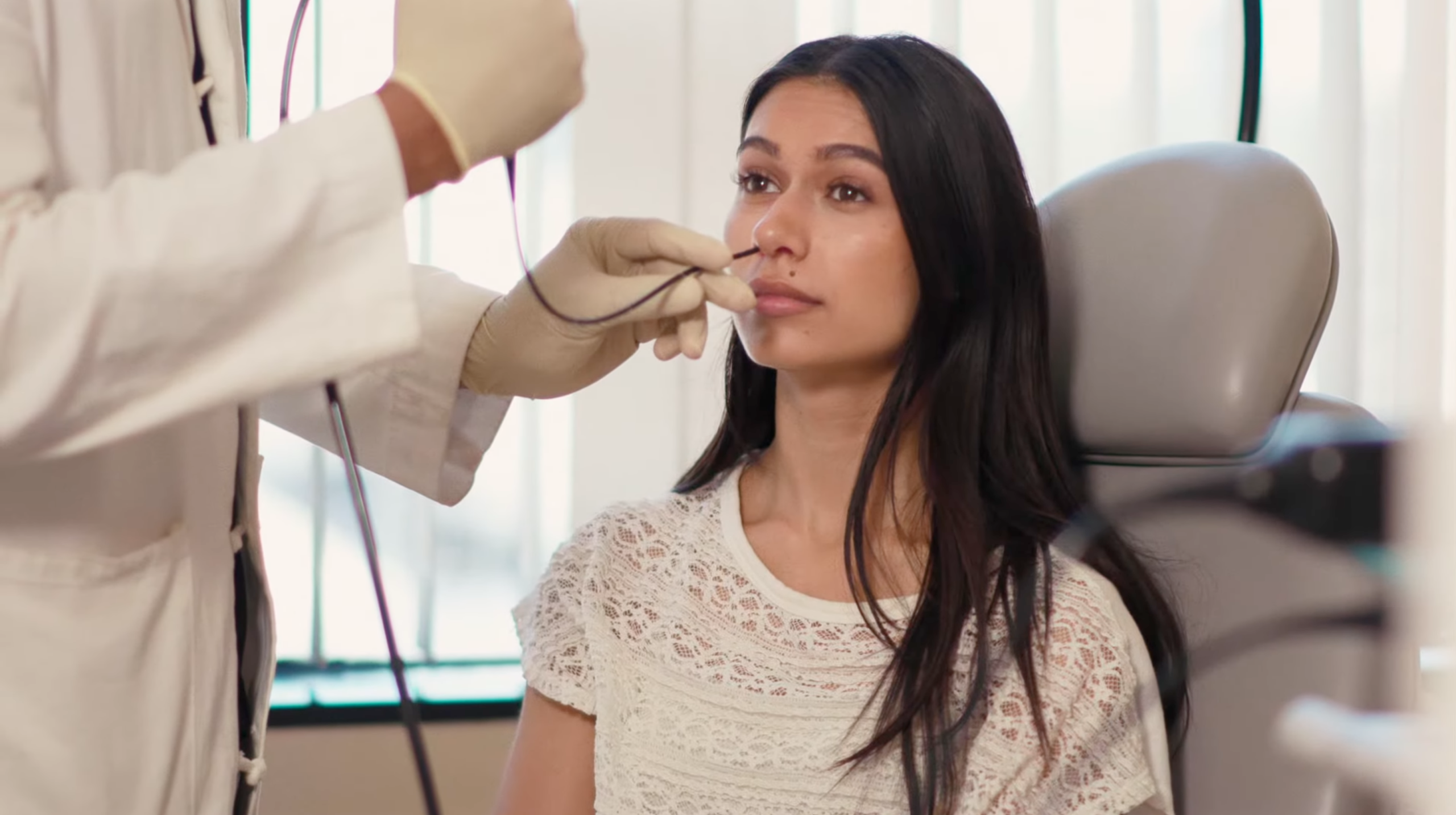
This evaluation is typically appropriate for patients who:
• Have ongoing nasal obstruction, crusting, bleeding, or airflow turbulence
• Have tried non-operative care without adequate relief
• Have been told repair was “not recommended” but symptoms persist
• Have had prior nasal surgery or a failed repair
Patients with mild or stable symptoms may be better served with continued conservative care.
FAQs about Repairing the Hole in Your Nose
Surgery With Dr. Hamilton
Commom Symptoms of a septal perforation
– Nasal dryness, irritation, or burning
– Nasal obstruction or collapse
– An enlarging hold in the nasal septum
– Whistling sound when breathing
– Crusting and scabbing inside the nose
– Frequent nosebleeds
Revision Septal Perforation Cases
A prior failed repair does not define your outcome. Each case is evaluated on its current anatomy, healing potential, and risk profile. Many patients requesting evaluation have undergone prior nasal surgery, including attempted perforation repair.
Evaluation focuses on whether current anatomy and healing potential support a durable repair, not simply whether closure is technically possible. Not every revision case is appropriate for surgery.
Revision cases are not uncommon in septal perforation repair. Many patients seeking evaluation have had prior nasal surgery, including attempted perforation repair, septoplasty, or sinus surgery.
A prior repair attempt does not automatically mean your case is no longer treatable.
Failure is usually related to biology and mechanics, not effort or intent. Common factors include:
- Limited blood supply to healing tissue
- Single-layer or non-vascularized closure techniques
- Ongoing irritation (dryness, crusting, infection, nicotine exposure)
- Large defect size or fragile tissue quality
These are known challenges in septal surgery and do not imply improper care.
Revision evaluation focuses on:
- Remaining tissue quality and blood supply
- Size, location, and edge characteristics of the perforation
- Prior surgical approach and healing response
- Modifiable risk factors that affect durability
The goal is to determine whether conditions are favorable enough to justify another attempt, not simply whether repair is technically possible.
Revision surgery is more technically demanding and carries a different risk profile than first-time repair. For this reason, not every revision case is appropriate for surgery.
When surgery is considered, techniques are selected to prioritize durability and vascular support, rather than speed or simplicity.
In some cases, continued non-operative management remains the safest option. This recommendation is based on anatomy, healing risk, and long-term stability—not on reluctance to operate.
Patients are encouraged to seek clarity, not pressure, when making this decision.
Successful revision depends on:
- Careful patient selection
- Realistic expectations
- Strict avoidance of nicotine and nasal irritants
- Close postoperative follow-up
No repair can guarantee zero risk, but outcomes improve significantly when these factors align.
Why Patients Choose This Repair
A perforation rarely heals on its own. Many enlarge over time and become more complex to repair. Early evaluation can help protect the septum and restore airflow. Dr. Hamilton uses a standardized technique designed specifically for durable, reliable closure in small, medium, large, and revision septal perforations:
Endoscopic precision
When possible, repairs are performed endoscopically to allow internal access, better visualization, and minimal external change.
Bilateral vascularized
flaps
Two vascular flaps are elevated to bring healthy blood supply from both sides of the septum into the repair.
cartilage
support
Cartilage from the ear is placed between the flaps to help add strength, resist tension and reduce the chance of re-opening.
Triple-layer
closure
A multilayer closure pattern is used instead of a single-layer or or non-vascular grafting repair to improve long-term stability.
What to ask any surgeon before septal perforation repair
These questions help you understand a surgeon’s experience and technique. Below are Dr. Hamilton’s answers.
1. How many septal perforation repairs do you perform each year?
Dr. Hamilton: “My practice includes a high volume of perforation repairs, from small defects to large and revision perforations that many surgeons decline.”
2. What is your closure rate, broken down by perforation size?
Dr. Hamilton: “99% closure for perforations ≤ 1.4 cm and 97% closure for ≥ 1.5 cm, with durable results reported up to ~4 cm.”
3. Do you use one vascular flap or two?
Dr. Hamilton: “I use bilateral vascularized flaps. Using only a single flap limits reach and may increase the risk of ischemia and recurrence.”
4. Do you perform the repair endoscopically?
Dr. Hamilton: “Yes, whenever appropriate, repairs are done endoscopically to maximize precision.”
5. Do you use PDS wrapped in fascia? Is that tissue vascularized?
Dr. Hamilton: “No, PDS/fascia combinations are not inherently vascularized. My technique uses vascularized tissue and cartilage support to optimize healing.”
6. Can you repair perforations larger than 2 cm?
Dr. Hamilton: “Yes. Many patients with 2–4 cm perforations can be evaluated for closure depending on anatomy and risk factors.”
7. Do you accept revision cases?
Dr. Hamilton: “Yes, I frequently evaluate and repair perforations that have failed prior attempts elsewhere.”
8. What is your long-term follow-up?
Dr. Hamilton: “Most patients have at least 12 months of follow-up, with an average of around 16 months, to assess durability and symptom improvement.”
9. How do you handle out-of-state or international patients?
Dr. Hamilton: “We often begin with a virtual consultation, plan travel and surgery dates together, and coordinate postoperative splint removal and follow-up.”
If you are comparing surgeons, ask these questions everywhere. Choose the surgeon whose experience, technique, and data align with your goals.
Patient FAQ
Many patients fear they are ‘too severe’ for repair. In reality, many large perforations (2–4 cm) can be repaired depending on size, location, tissue quality, and individual anatomy.
Dr. Hamilton: “Many patients I treat were told elsewhere their perforation was not repairable. Many patients have been told repair isn’t possible. A careful evaluation including size, location, and tissue quality, helps determine whether durable closure is appropriate.”
Many patients fear they are ‘too severe’ for repair. In reality, many large perforations (2–4 cm) can be repaired depending on size, location, tissue quality, and individual anatomy.
Dr. Hamilton: “A careful evaluation including size, location, and tissue quality, helps determine whether durable closure is appropriate.”
One of the biggest hidden fears is investing time, travel, and resources and not getting a result.
Dr. Hamilton: “No repair can guarantee 0% risk, but multilayer vascularized closure is designed to be durable. Healing improves dramatically when nicotine and irritants are avoided.”
Patients fear the hole is ‘helping them breathe’. In fact, perforations cause turbulent flow, collapse, dryness, and irritation.
Dr. Hamilton: “Repair restores more normal airflow patterns and improves comfort.”
Cosmetic change is a major fear. Most repairs are performed internally. When needed, structural support and contouring can be added to maintain or restore shape.
Dr. Hamilton: “Repairs are designed for internal closure. Structural adjustments are only added when medically needed.”
Most patients describe pressure and congestion rather than sharp pain. Discomfort is Patients imagine significant pain, packing, or long downtime.
Dr. Hamilton: “Most describe pressure and congestion rather than sharp pain. Standard medications work well.”
Many patients return to non-strenuous activities within 1–2 weeks. This varies by job type and individual healing.
Yes. Virtual consultations are available to review your history, prior surgery, and images, and to discuss potential options before travel.
Yes, these significantly reduce blood flow and increase failure risk. Avoid completely.
Dr. Hamilton: “You won’t be judged. But nicotine severely reduces blood flow and can compromise healing. We help you prepare safely.”
Shame is a major silent barrier, especially with nose-picking, prior surgery, trauma, or drug-related cases.
Dr. Hamilton: “My job is to fix the problem, not judge the cause. Many perforations occur from surgery or medications, not patient behavior.”
Traveling for surgery feels overwhelming.
Dr. Hamilton: “We routinely coordinate virtual consults, surgery timing, and 4‑week splint removal for out-of-area patients.”
Financial uncertainty is one of the biggest emotional blockers.
Dr. Hamilton: “After your consultation, we help review benefits and create a personalized plan. You are not committing, you’re starting a conversation.”
No technique can promise zero risk. A multilayer vascularized repair is designed to minimize this risk, combined with careful postoperative care and avoidance of nicotine and other irritants.
Choose a surgeon who provides size‑stratified outcomes, uses a multilayer vascularized technique, and has long-term follow-up data.
Cost, Insurance, and Payment Planning
Every perforation and surgical plan is unique. After consultation and review of examination findings, our team can:
– Discuss potential insurance involvement when applicable
– Provide a personalized cost estimate
– Outline travel and logistics for out-of-area patients
We aim to be transparent so you have a clear understanding of your options before making a decision.
International and Out-of-State Patients
Our practice regularly treats patients from across the U.S. and internationally. Many patients travel specifically for septal perforation repair. We offer:
– Virtual consultation to review your case
– Help coordinating travel and scheduling
– Postoperative follow-up and splint removal at ~4 weeks
If you’re traveling from out of town, our office can help coordinate accommodations and timing.
Ready to discuss your septal perforation repair?
If you are experiencing whistling, crusting, nosebleeds, or breathing changes from a septal perforation, we can help evaluate whether repair is appropriate for you.
Next step: Submit your information and our team will contact you within 1–2 business days to schedule a consultation.